Soy Protein: What It Is and How It Works
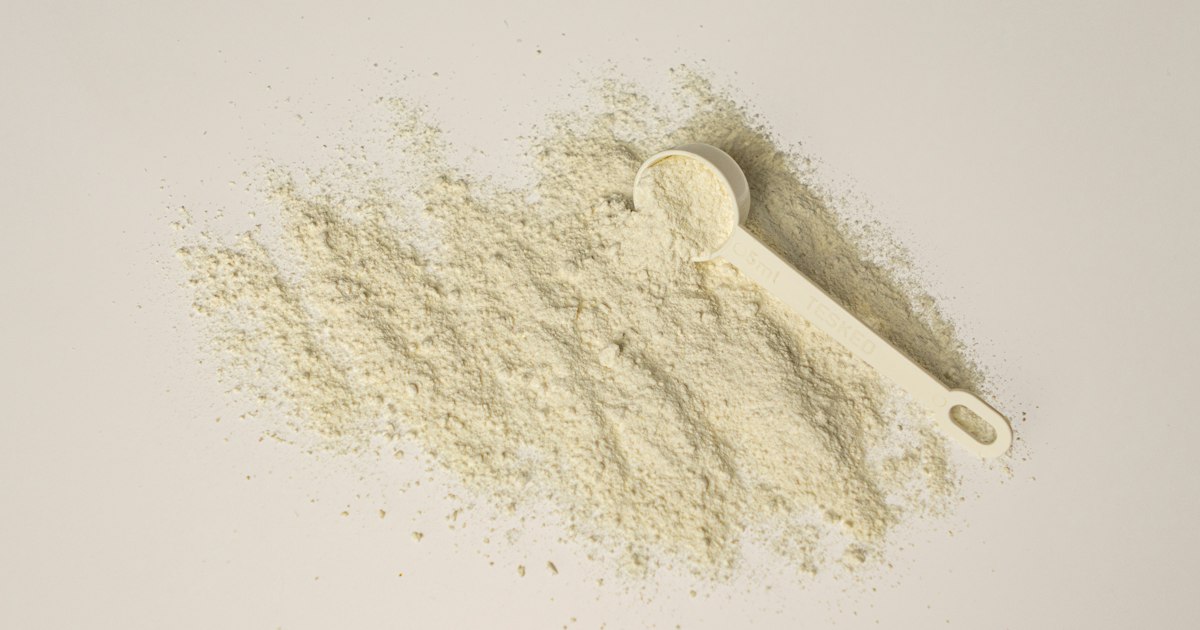
Soy protein is one of the oldest and most researched plant proteins in sports nutrition. Debates about “female hormones” still surround it, but behind them the main thing is often lost: how exactly soy is turned into powder and what happens to it in the body. The editorial team explains this step by step.
What soy protein is
Soy protein is a concentrated protein obtained from soybeans (Glycine max). Soy belongs to the legumes and stands out for its extraordinarily high protein content for a plant: in dry beans it is about a third of the mass. That is why soy has for decades been the basis of plant protein products — from tofu to sports powders.
Production begins with cleaning and dehulling the beans, after which the oil is extracted from them. The residue — defatted soy flakes — is the raw material for all protein forms. Then, depending on the depth of purification, soy flour, concentrate, or isolate is obtained, differing in the content of protein, carbohydrates, and accompanying substances.
Concentrate is produced by washing out soluble carbohydrates with water, a water-alcohol solution, or acid. Isolate is obtained through alkaline extraction of the protein with subsequent precipitation and neutralization, which yields a product with a protein content of about 90% of the dry mass. The processing method affects both the taste and the isoflavone content: alcohol washing removes a significant part of them.
Separately there is textured soy protein — an extrusion product used as a meat substitute. In sports nutrition, however, the main form is isolate, more rarely concentrate and blends with other proteins.
Amino acid composition and protein quality
Soy compares favorably with most plant sources in that it has a relatively balanced set of essential amino acids. On the PDCAAS scale, long used to assess protein quality, soy isolate receives scores close to the maximum — on the level of dairy and egg proteins (Schaafsma, 2000).
The newer DIAAS scale, recommended by an FAO expert consultation (2013), more accurately accounts for the digestibility of individual amino acids in the small intestine. By it, soy is somewhat inferior to whey and casein, but remains one of the highest-quality plant proteins. The limiting amino acids for soy are considered to be methionine and cysteine.
The leucine content in soy isolate is moderate — lower than in whey, and roughly at the level of pea protein (Gorissen et al., 2018). This is important, because it is precisely leucine that is the signal for triggering muscle protein synthesis via the mTORC1 pathway.
| Form | Approximate protein content | Features |
|---|---|---|
| Defatted soy flour | ~50% | A lot of carbohydrates and fiber, a pronounced bean taste |
| Soy concentrate | ~65–70% | Partially purified, cheaper, more often in the food industry |
| Soy isolate | ~90% | The main form in sports nutrition |
| Soy protein hydrolysate | ~85–90% | Partially broken down, slightly bitter, for special blends |
The figures in the table are approximate: they depend on the technology and standards of the specific manufacturer, so the final data should always be checked on the label.
How soy protein works in the body
After consumption, soy protein is broken down in the stomach and small intestine into peptides and amino acids, which are absorbed into the blood. In the speed of amino acid delivery, soy occupies an intermediate position: it is “faster” than casein, which curdles in the stomach, but slower than whey.
In the classic study by Tang and colleagues (2009), young men after resistance training received an equal amount of essential amino acids in the form of whey hydrolysate, soy isolate, or casein. Whey provided the greatest stimulation of muscle protein synthesis, soy an intermediate one, and casein the least in the first hours after exercise.
One of the explanations for the differences is that a larger share of soy's amino acids is used in the tissues of the digestive tract and the liver and is oxidized to urea rather than reaching the muscles. This feature is described by the reviews of van Vliet and colleagues (2015), considering plant proteins in general.
However, the acute response in the first hours does not always determine the long-term result. The meta-analysis by Messina and colleagues (2018) found no difference between soy and animal protein in the gain of muscle mass and strength during resistance training. More about these data is in our material on the evidence base.
Isoflavones and other components
Soy protein is interesting not only for its amino acids. Along with it, isoflavones — genistein, daidzein, and glycitein — can get into the product. These are plant compounds capable of binding to estrogen receptors, predominantly the beta receptor, but with much weaker activity than human estrogens.
It is precisely isoflavones that gave rise to most of the disputes around soy. However, clinical meta-analyses (Hamilton-Reeves et al., 2010; Reed et al., 2021) found no effect of soy protein or isoflavones on testosterone and estradiol in men at the studied doses. The isoflavone content in different products varies significantly due to the processing technology.
Soy also contains phytates, which can reduce the absorption of iron and zinc, and saponins. In the isolate there are fewer of them than in whole beans. In 1999 the FDA allowed a claim about the link between soy protein and a reduced risk of ischemic heart disease, but the agency later proposed to revise this claim due to the ambiguity of new data.
A moderate reduction in LDL cholesterol when animal protein is replaced with soy is described in reviews (Messina, 2016), although the magnitude of the effect is small. For an athlete this is more of an additional bonus than a reason to choose soy.
Who soy protein is suitable for
Soy protein makes sense as a main source of concentrated protein for vegans and vegetarians, for people with lactose intolerance or an allergy to cow's milk protein, and also for those who want to diversify their diet and not rely on a single type of protein.
Among the advantages are high protein quality by plant standards, an affordable price, good solubility, and the more neutral taste of modern isolates compared with the first generations of products.
- Pros:a complete set of essential amino acids, a high PDCAAS score, proven effectiveness in training studies.
- Cons:less leucine than in whey; soy is one of the 14 major food allergens in the EU.
- Nuances:the isoflavone content depends on the technology; questions regarding the thyroid gland concern primarily people taking levothyroxine.
Who should be cautious we examine in detail in a separate article on contraindications. In brief: for people with a soy allergy the product is contraindicated, and patients with hypothyroidism who take thyroid hormones need to space out the intake of medication and soy products in time and discuss this with an endocrinologist (Messina & Redmond, 2006).
For the rest of healthy people, soy protein is a full-fledged tool for reaching the daily protein requirement, which the ISSN estimates for people who train in the range of 1.4–2.0 g per kilogram of body weight per day (Jäger et al., 2017).
Editorial conclusions
Soy protein is a purified protein from soybeans, whose most common sports form is isolate with a protein content of about 90%.
In terms of quality, soy is one of the best plant proteins: it contains all essential amino acids, although it is inferior to whey in leucine and speed of absorption.
In acute studies, soy stimulates muscle protein synthesis more weakly than whey, but in long-term training programs the gain in muscle mass is comparable to animal proteins.
Our articles “The Benefits of Soy Protein for Athletes: The Evidence Base”, “Myths About Soy Protein” and “Soy Protein: Available Forms and Which to Choose” will help continue the topic.
References
- Tang JE, Moore DR, Kujbida GW, Tarnopolsky MA, Phillips SM. Ingestion of whey hydrolysate, casein, or soy protein isolate: effects on mixed muscle protein synthesis at rest and following resistance exercise in young men. J Appl Physiol. 2009;107(3):987–992.
- Messina M, Lynch H, Dickinson JM, Reed KE. No difference between the effects of supplementing with soy protein versus animal protein on gains in muscle mass and strength in response to resistance exercise. Int J Sport Nutr Exerc Metab. 2018;28(6):674–685.
- Gorissen SHM, Crombag JJR, Senden JMG, et al. Protein content and amino acid composition of commercially available plant-based protein isolates. Amino Acids. 2018;50(12):1685–1695.
- FAO. Dietary protein quality evaluation in human nutrition: report of an FAO Expert Consultation. FAO Food and Nutrition Paper 92. Rome: FAO; 2013.
- Schaafsma G. The protein digestibility-corrected amino acid score. J Nutr. 2000;130(7):1865S–1867S.
- van Vliet S, Burd NA, van Loon LJC. The skeletal muscle anabolic response to plant- versus animal-based protein consumption. J Nutr. 2015;145(9):1981–1991.
- Reed KE, Camargo J, Hamilton-Reeves J, Kurzer M, Messina M. Neither soy nor isoflavone intake affects male reproductive hormones: an expanded and updated meta-analysis of clinical studies. Reprod Toxicol. 2021;100:60–67.
- Jäger R, Kerksick CM, Campbell BI, et al. International Society of Sports Nutrition position stand: protein and exercise. J Int Soc Sports Nutr. 2017;14:20.
Andriy Melnyk
A strength-sports coach and author of programs for beginner and intermediate levels. Writes about training planning.