
Who Should Not Take Glycine
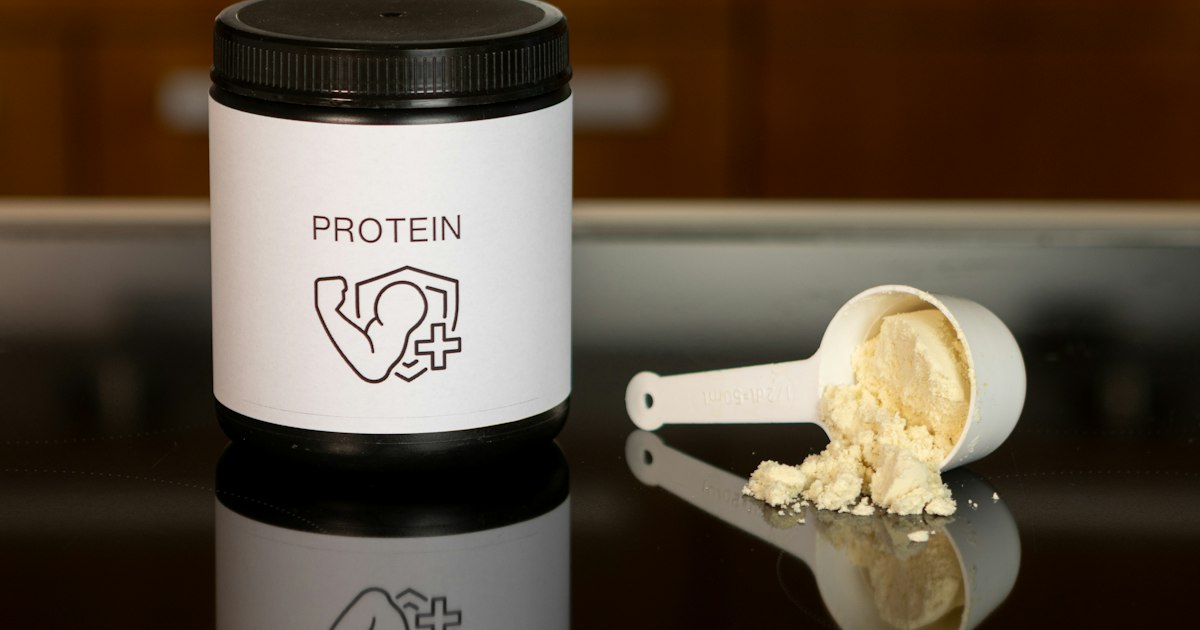
Glycine is considered one of the safest supplements, and for most healthy adults this holds true. However, there are situations in which taking it is contraindicated or requires mandatory agreement with a doctor. The editorial team explains who should not take glycine on their own and what data these warnings are based on.
Absolute and relative contraindications
In medicine, a distinction is made between absolute contraindications, when a substance may not be used under any circumstances, and relative ones, when use is possible only after a doctor has assessed the risks. For glycine there are few absolute contraindications, but they are serious.
The instructions for registered glycine medicines usually name individual hypersensitivity to the components of the product as an absolute contraindication. This is a standard wording that applies both to the amino acid itself and to the excipients of the tablet or capsule.
There are more relative restrictions. They are connected with the fact that glycine acts on the nervous system, affects glucose metabolism, and is metabolized by the liver and kidneys. In people with certain diseases or while taking some medications, these properties can have undesirable consequences.
It is also important to remember that combination products may contain, besides glycine, melatonin, magnesium, plant extracts, or vitamins. The contraindications to these components are added to the contraindications to glycine itself.
Hereditary disorders of glycine metabolism
The most important absolute contraindication is nonketotic hyperglycinemia, also known as glycine encephalopathy. This is a rare hereditary disease in which the work of the glycine cleavage system in the mitochondria is disrupted. Glycine accumulates in the blood, cerebrospinal fluid, and brain.
The classic form manifests in the first days of life: sudden lethargy, breathing disturbances, seizures, muscular hypotonia. There are also milder, atypical forms with a later onset. Treatment includes drugs that lower glycine levels and agents that block NMDA receptors, and is carried out in specialized centers (Van Hove et al., GeneReviews).
For people with this diagnosis, any additional intake of glycine, including as part of supplements, is contraindicated. Since the disease is usually diagnosed in childhood, patients and their families are, as a rule, well informed by doctors about the restrictions.
There are also other rare congenital metabolic disorders that directly or indirectly involve glycine and its related pathways. People with any diagnosed hereditary metabolic diseases should agree on taking amino acid supplements with a geneticist or metabolic specialist.

Psychiatric patients and clozapine
Glycine is a co-agonist of NMDA receptors, so it has been studied as an adjunct in schizophrenia. Results differed for different antipsychotics. In studies with typical and some atypical antipsychotics, high-dose glycine reduced negative symptoms in individual works (Javitt et al., 1994; Heresco-Levy et al., 2004).
However, in combination with clozapine the picture is different. Evins and colleagues (2000), in a placebo-controlled study, found no benefit from adding glycine to clozapine. It is believed that clozapine itself affects the NMDA system, so additional glycine not only does not help but could theoretically disturb the balance already achieved.
Therefore, for patients taking clozapine, glycine is contraindicated without a psychiatrist's agreement. The same applies to people taking any antipsychotics, antidepressants, or mood stabilizers: not because harm is proven, but because the effect on neurotransmitter systems requires professional assessment.
Also, glycine is not a treatment for anxiety disorders, depression, or insomnia. If symptoms persist for a long time, interfere with daily life, or worsen, a doctor's consultation is needed, not a selection of supplements.
| Situation | Reason for caution | Recommendation |
|---|---|---|
| Taking clozapine | Lack of benefit, possible disruption of the therapy's effect | Do not take without a psychiatrist |
| Other psychotropic drugs | Effect on NMDA and glycine receptors | Agree with a doctor |
| Hypnotics and sedatives | Possible enhancement of relaxation | Caution, agreement with a doctor |
| Glucose-lowering drugs | Effect of glycine on post-meal glycemia | Glucose control, agreement with an endocrinologist |
Kidneys, liver, diabetes, and other conditions
The liver and kidneys are the main organs where glycine is broken down. In severe liver failure, the ability to metabolize amino acids and neutralize ammonia declines; in kidney failure, to excrete metabolic products. In such patients, protein and amino acid load is controlled by a doctor, and supplements without their knowledge are unacceptable.
People with diabetes mellitus who take glucose-lowering drugs should know that glycine can affect the glucose and insulin response to food. Gannon and colleagues (2002) showed that glycine, taken together with glucose, reduced the rise in blood glucose. Clinically this is hardly dangerous, but it requires careful glycemic monitoring at the start of intake.
Patients with epilepsy and other neurological diseases should agree on taking glycine with a neurologist. Glycine acts on inhibitory and excitatory receptors, and although there is no direct evidence of harm, in diseases with unstable neurotransmitter regulation any intervention must be justified.
People with marked arterial hypotension sometimes report dizziness when taking agents with a sedative effect. There is little such data for glycine, but with a tendency to low blood pressure it is reasonable to start with a small dose and monitor how you feel.
Pregnancy, children, drivers, and athletes
During pregnancy and breastfeeding, the need for glycine actually increases: it is needed for the growth of fetal tissues and the synthesis of collagen and nucleic acids. However, there is virtually no safety research on glycine supplements in pregnant women. Therefore, the editorial team recommends relying on nutrition during this period and taking any supplements only on a doctor's advice.
For children, glycine as a medicine is prescribed by pediatricians or neurologists in accordance with the instructions. Giving a child powder or capsules in “adult” doses on your own is unacceptable. In addition, hereditary metabolic disorders may first appear in childhood, so any unusual symptoms require examination.
- Drivers and machine operators:assess your reaction to glycine before getting behind the wheel, especially with daytime intake.
- Elderly people:take into account the possible decline in kidney function and the large number of medications taken at the same time.
- Athletes:glycine is not on the WADA Prohibited List, but the product must be of high quality, free of foreign impurities.
For athletes, the main risk is connected not with glycine but with combination “sleep” and “recovery” products, which may contain unexpected components. Choose single-ingredient products from trusted manufacturers with independent certification.
Editorial conclusions
The absolute contraindications to glycine are hypersensitivity to the components of the product and hereditary disorders of glycine metabolism, primarily nonketotic hyperglycinemia.
The relative restrictions concern patients taking clozapine and other psychotropic drugs, people with severe kidney and liver disease, diabetes under drug therapy, neurological diseases, as well as pregnant women and children.
For healthy adults, glycine at studied doses has a favorable safety profile; however, at first intake it is worth assessing the reaction and not combining it with several sedative agents.
Read more in our articles “Side Effects of Glycine”, “How to Take Glycine: Dosage, Timing, Duration” and “Who Should Not Take L-Lysine”.
References
- Van Hove JLK, Coughlin C II, Swanson M, Hennermann JB. Nonketotic hyperglycinemia. In: Adam MP, et al., editors. GeneReviews®. Seattle (WA): University of Washington, Seattle.
- Evins AE, Fitzgerald SM, Wine L, et al. Placebo-controlled trial of glycine added to clozapine in schizophrenia. Am J Psychiatry. 2000;157(5):826–828.
- Javitt DC, Zylberman I, Zukin SR, et al. Amelioration of negative symptoms in schizophrenia by glycine. Am J Psychiatry. 1994;151(8):1234–1236.
- Heresco-Levy U, et al. High-dose glycine added to olanzapine and risperidone for the treatment of schizophrenia. Biol Psychiatry. 2004;55(2):165–171.
- Gannon MC, Nuttall JA, Nuttall FQ. The metabolic response to ingested glycine. Am J Clin Nutr. 2002;76(6):1302–1307.
- Wang W, Wu Z, Dai Z, Yang Y, Wang J, Wu G. Glycine metabolism in animals and humans: implications for nutrition and health. Amino Acids. 2013;45(3):463–477.
- World Anti-Doping Agency. The World Anti-Doping Code: International Standard. Prohibited List. Montreal: WADA; актуальна редакція.
Andriy Melnyk
A strength-sports coach and author of programs for beginner and intermediate levels. Writes about training planning.